Posted on 9/25/2026
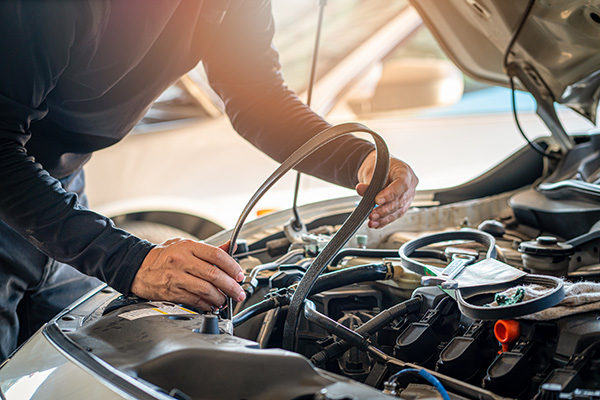
A serpentine belt can look like a simple strip of rubber, but it drives some of the systems you depend on every day. Depending on the vehicle, that belt can turn the alternator, water pump, power steering pump, and A/C compressor. Wisconsin winters are hard on old rubber. Cold temperatures make a worn belt less flexible, while snow, road salt, moisture, and repeated cold starts add more stress. If the belt is already showing its age in fall, winter can be the season that finally pushes it too far. 1. The Belt Is Cracked, Frayed, or Missing Pieces Visible damage is one of the clearest reasons to take a serpentine belt seriously. Small cracks between the ribs, frayed edges, missing chunks of rubber, or sections that look chewed up all tell us the belt has been through a lot of heat and movement. At our shop, we look beyond the top surface. The ribbed side does most of the work, and damage there can be easier to miss. If the belt is starting to separate or cords are b ... read more
Posted on 8/28/2026
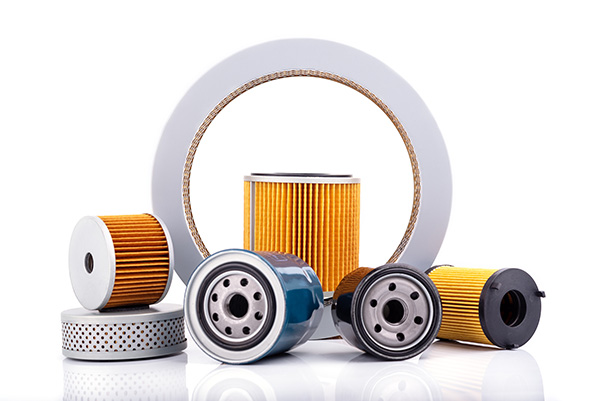
Your vehicle uses several filters to keep dirt, dust, debris, and contaminants away from sensitive components. The engine air filter protects the cylinders, the cabin air filter cleans incoming ventilation air, the oil filter captures particles carried by engine oil, and the fuel filter helps protect injectors and fuel-system components. These filters do not all create the same symptoms when restricted. A dirty engine air filter can reduce airflow and limit power, while a clogged cabin filter weakens vent output. Fuel and oil filters can affect engine protection and operation in different ways. Understanding those differences helps drivers respond to symptoms without replacing unrelated parts. How The Engine Air Filter Protects Performance The engine air filter removes dust, sand, insects, and other airborne debris before air reaches the intake system. Clean air then passes through the throttle body and into the cylinders, where it mixes with fuel for combustion. A ... read more
Posted on 7/31/2026
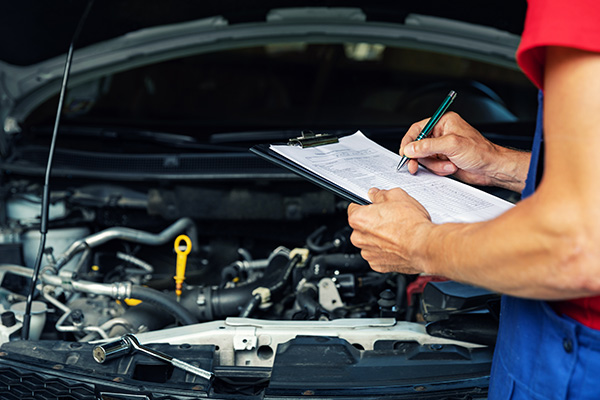
A dependable vehicle does not stay that way by accident. Even when it starts easily, drives normally, and has no warning lights, parts are still wearing, fluids are aging, and small problems can begin long before they feel serious to the driver. Auto repair is not only about fixing a vehicle after something breaks. The right services help protect braking, steering, engine performance, visibility, tires, and overall reliability. Staying ahead of these seven areas can help keep your vehicle safer to drive and less likely to leave you dealing with an unexpected breakdown. 1. Brake Service Brakes are one of the most important safety systems on any vehicle. Pads, rotors, calipers, hoses, hardware, and brake fluid all work together every time you slow down. If one part wears or sticks, the rest of the system can be affected. Brake problems can show up as squealing, grinding, vibration, pulling, a soft pedal, a burning smell, or longer stopping distance. Sometimes the fir ... read more
Posted on 6/26/2026
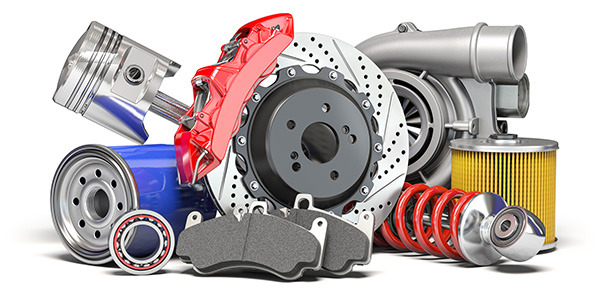
Choosing between OEM and aftermarket car parts can feel confusing when you are staring at a repair estimate. One option sounds like the original part. The other might cost less, arrive faster, or offer more choices. On paper, both can seem reasonable. The right choice depends on the vehicle, the repair, the part quality, and how long you plan to keep the car. Some repairs make more sense with OEM parts. Others can be handled well with a high-quality aftermarket option. The key is knowing what the difference means before deciding. What OEM Parts Mean OEM stands for original equipment manufacturer. An OEM part is made by the manufacturer that supplied the part for the vehicle when it was built, or it is made to meet that original manufacturer’s specifications. In simple terms, it is designed to match what came on the car from the factory. That can make OEM parts appealing because they usually fit correctly and perform the way the vehicle was designed to work. T ... read more
Posted on 5/29/2026

SUVs have become a favorite among families, commuters, weekend travelers, and drivers seeking greater flexibility from a single vehicle. They offer space, comfort, and confidence in ways that fit many different lifestyles. Still, choosing an SUV is not only about size or looks. The best choice depends on how you drive, what you carry, and how much capability you actually need. When you understand what SUVs do well, it becomes easier to see why so many drivers keep choosing them. Practical Space for Daily Life One of the biggest reasons drivers like SUVs is the usable space they offer. The extra room makes everyday driving easier, whether you are loading groceries, sports bags, tools, pets, or luggage for a weekend trip. Unlike some larger vehicles, most SUVs still feel manageable in parking lots and daily traffic. The flexible cargo area is a major benefit. Fold-down rear seats can turn a passenger-friendly vehicle into something that can handle bigger items when n ... read more