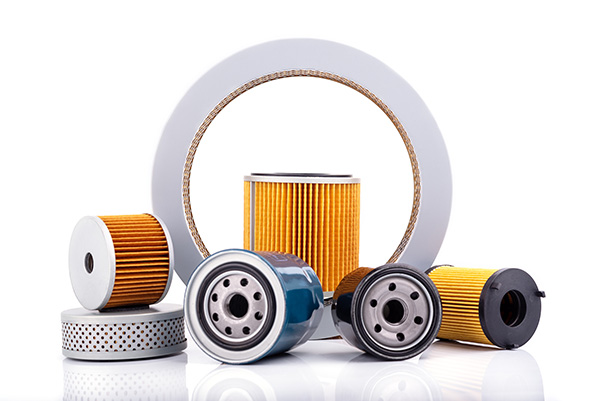
Your vehicle uses several filters to keep dirt, dust, debris, and contaminants away from sensitive components. The engine air filter protects the cylinders, the cabin air filter cleans incoming ventilation air, the oil filter captures particles carried by engine oil, and the fuel filter helps protect injectors and fuel-system components.
These filters do not all create the same symptoms when restricted. A dirty engine air filter can reduce airflow and limit power, while a clogged cabin filter weakens vent output. Fuel and oil filters can affect engine protection and operation in different ways. Understanding those differences helps drivers respond to symptoms without replacing unrelated parts.
How The Engine Air Filter Protects Performance
The engine air filter removes dust, sand, insects, and other airborne debris before air reaches the intake system. Clean air then passes through the throttle body and into the cylinders, where it mixes with fuel for combustion.
As debris collects between the filter fibers, airflow resistance increases. A lightly used filter usually continues supplying enough air for normal driving. A heavily restricted filter can limit the amount of air available when the engine is under load, especially during hard acceleration, hill climbing, towing, or higher engine speeds.
Possible signs of a restricted engine air filter include:
- Weak acceleration
- Reduced power at higher engine speeds
- Unusual intake noise
- A visibly packed or damaged filter
- Black exhaust smoke on certain older vehicles
- Lower engine performance under heavy load
A filter should be checked for contamination, damaged sealing edges, moisture, oil saturation, or rodent debris. Holding it toward a light is not a reliable test by itself because filter materials and construction vary.
Can A Dirty Air Filter Lower Fuel Economy?
On older carbureted engines, restricted airflow can create an overly rich fuel mixture and noticeably increase fuel consumption. Modern fuel-injected vehicles operate differently. Oxygen sensors, airflow sensors, and the engine computer adjust fuel delivery based on the amount of air entering the engine.
Because of that control, a moderately dirty air filter may have little effect on fuel economy during light driving. The engine usually reduces fuel delivery to match the lower airflow. However, a severely restricted filter can reduce available power, causing the driver to press the accelerator farther or remain in lower gears longer to maintain speed.
Fuel economy may then decline because the engine must work harder to deliver the requested performance. A restriction can also interfere with airflow measurements or contribute to poor operation when the filter is damaged, incorrectly installed, or contaminated with oil.
Why The Cabin Air Filter Affects Comfort
The cabin air filter cleans outside air entering the heating, ventilation, and air conditioning system. It captures dust, pollen, road debris, and other particles before they reach the blower, evaporator, heater core, and passenger compartment.
As the filter becomes restricted, the blower has greater difficulty moving air through the ventilation system. The fan may sound as though it is working at full speed while only a small amount of air reaches the vents. Defrosting can take longer, and the A/C may struggle to cool the cabin because insufficient air is passing across the evaporator.
Common cabin filter symptoms include:
- Weak airflow from the vents
- Poor windshield defrosting
- Musty or dusty odors
- Increased blower noise
- Dust entering the cabin
- Uneven heating or cooling
Some vehicles use activated-carbon cabin filters that also help reduce certain odors. These filters still need replacement when airflow becomes restricted. Spraying fragrance into the vents does not correct contamination trapped in the filter or evaporator housing.
A Restricted Fuel Filter Can Reduce Power
The fuel filter prevents rust, dirt, and other particles from reaching the fuel injectors. On some vehicles, it is installed externally and has a scheduled replacement interval. On many newer models, it is part of the fuel pump module inside the tank and may not have a routine service interval.
A restricted fuel filter can reduce fuel pressure or volume when engine demand increases. The vehicle may idle acceptably but hesitate, surge, or lose power during acceleration. Difficult starting and stalling can also occur when the restriction becomes severe.
These symptoms can also result from a weak fuel pump, faulty pressure regulator, contaminated fuel, injector trouble, or an electrical supply problem. Fuel pressure and volume should be tested before a filter or pump is replaced.
The Oil Filter Has A Different Job
The oil filter captures particles created by combustion, component wear, and deposit formation. Clean oil then circulates through bearings, camshafts, timing components, turbochargers, and other lubricated surfaces.
If an oil filter becomes severely restricted, an internal bypass valve may open so the engine continues receiving oil. This protects the engine from immediate oil starvation, but the bypassed oil is no longer being filtered effectively. Poor-quality filters may also have weak internal construction, incorrect bypass settings, or sealing problems.
Oil and filter replacement should follow the correct interval for the engine and driving conditions. Extended idling, repeated short trips, high temperatures, and infrequent driving can be demanding on engine oil even when mileage remains low.
When Filters Should Be Replaced
There is no single replacement interval that applies to every vehicle or filter. Manufacturer schedules provide the starting point, but environmental and driving conditions affect how quickly contamination develops.
Vehicles operated on dusty roads, near construction areas, in heavy wildfire smoke, or around agricultural activity may need air filters checked more frequently. Cabin filters can also collect leaves and debris quickly when the vehicle is parked under trees.
Regular maintenance should include reviewing service history and checking filters at appropriate intervals. An inspection can determine whether a filter is restricted, damaged, contaminated, or still suitable for continued use. Replacing filters too early wastes usable parts, while leaving them installed too long can affect performance, airflow, and component protection.
Use The Correct Filter For The Vehicle
Filters that appear similar may have different dimensions, sealing surfaces, airflow capacity, and internal construction. An engine air filter that does not seal correctly can allow unfiltered air to pass around its edges. A cabin filter installed backward may reduce airflow or fail to direct debris correctly.
Oil and fuel filters require even greater attention to specifications. Thread size, pressure rating, bypass valve design, flow capacity, and filter media must match the application. Using a quality filter designed for the exact vehicle protects the systems it serves.
Get Car Filter Replacement In Montello, WI, With Northside Automotive
Northside Automotive in Montello, WI, can check your engine air filter, cabin air filter, oil filter service history, and fuel delivery concerns.
Contact us to schedule filter service if your vehicle has weak acceleration, poor vent airflow, difficult starting, or reduced heating and A/C performance.