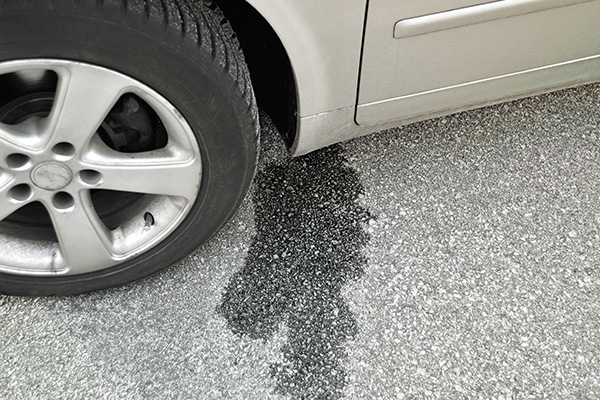
Small leaks are easy to dismiss because the car still drives, the dashboard stays quiet, and the spot on the ground looks minor. The problem is that leaks rarely stay the same size, and the damage is not always where the drip lands. Fluids spread, collect dirt, soften rubber, and slowly reduce the protection your engine and other systems rely on.
Fixing the leak early is usually cheaper than fixing what the leak leads to.
Why Small Leaks Grow Into Bigger Repairs
Most leaks start with a weak seal, a tired gasket edge, or a connection that isn't sealing properly anymore. Heat cycles and vibration keep working that weak point until it opens up more, so the seep becomes a drip. Once fluid starts leaving the system, the system runs with less margin, and wear speeds up quietly.
There is also a snowball effect. A leak that is ignored often leads to low fluid levels, excess heat, and excess friction, which shorten the life of expensive parts. If you ever want proof, look at how many major repairs begin with someone saying it only leaked a little.
Oil Leaks And What They Do Over Time
Oil leaks do more than stain driveways. When the oil level drops between services, the engine loses the cushion that protects bearings, cam components, and timing parts. Some engines consume a bit of oil as they age, so a leak on top of that can leave you surprisingly low before the next oil change.
Oil also travels. It can run down the block, coat the underbody, and drip from the wrong edge, which makes the source harder to find later. We see plenty of vehicles where the leak looked small until the splash shield and surrounding parts were soaked, and now the cleanup and tracing add cost.
Coolant Leaks And Overheating Risk
Coolant leaks are the ones that get expensive fast, because heat does not forgive. A slow leak can evaporate on a hot surface, so you might never see a puddle, yet the level keeps dropping. Once the level is low enough, the system can pull in air, circulation gets uneven, and the temperature starts creeping up in traffic.
Even one overheating event can stress hoses, plastic fittings, and gaskets. Repeated overheating is worse because it can warp surfaces and create new leaks that were not there before. This is why a minor coolant seep is worth addressing early instead of topping off and hoping it holds.
Transmission, Brake, And Steering Fluid Leaks
Transmission leaks often start at the pan gasket, cooler lines, or axle seals, and they tend to leave the fluid level just low enough to cause delayed shifts or extra heat. Heat is a transmission’s enemy, and low fluid raises heat quickly. By the time you notice slipping or harsh engagement, the leak is no longer the only problem.
Brake fluid leaks are a different kind of risk. Any fluid loss in the brake system is a safety issue, and it can change pedal feel without much warning. Power steering leaks on older systems can also create a mess, and once the level drops, the pump starts getting noisy and expensive.
The Mess Nobody Budgets For
Leaks create secondary damage that feels unrelated at first. Oil and other fluids soften rubber bushings, swell mounts, and shorten the life of belts and hoses when they get coated. They also attract dirt, which turns a clean engine bay into a greasy layer that hides fresh problems.
Leaks can also lead to smells, smoke, and unexpected warning lights when fluid reaches hot surfaces or electrical connections. You might think you have an electrical problem when the real issue is fluid intrusion and grime on connectors. Keeping leaks under control is part of keeping the rest of the car predictable.
Quick Checks That Catch Leaks Early
You do not need special tools to notice early leak clues. A quick look every couple of weeks keeps you from getting surprised, especially before long drives. Treat it like regular maintenance, because it takes less time than dealing with a breakdown.
- Check oil and coolant levels on level ground and note any changes
- Look under the vehicle after it has been parked overnight
- Watch for dampness around hose ends, reservoirs, and the oil filter area
- Notice new smells after shutdown, especially sweet or burning odors
- Pay attention to new spots on the splash shield or lower engine cover
If you are topping off the same fluid more than once, that is a pattern, not a fluke. The earlier you track the source, the simpler the repair usually is. Waiting tends to add cleanup, extra parts, and more time spent tracing where the fluid is coming from.
Get Leak Repair In Montello, WI, With Northside Automotive
If you are seeing spots, smelling fluid, or noticing levels dropping, Northside Automotive in Montello, WI, can trace the source and recommend a fix that stops the problem at the root with a clear inspection process.
Schedule a visit and get ahead of the leak before it turns into the repair you did not plan for.